Which Transport Advertising Format Suits Your Brand Best
Matching Your Brand with the Right Transport Advertising Format
Transport media advertising has become one of the most dynamic ways for brands to connect with people in motion. In cities like London, Manchester and Dubai, where commuting is a central part of everyday life, the question for marketers is not if they should invest in transport advertising but which format best suits their brand. The answer often depends on the industry, the audience and the moments you want to own during a consumer’s journey.
Across the world’s busiest networks, from London buses to Dubai taxis and metro lines, each mode of transport offers a distinct advertising personality. Choosing the right one can make the difference between being just another message on the move and becoming part of the daily rhythm of urban life.
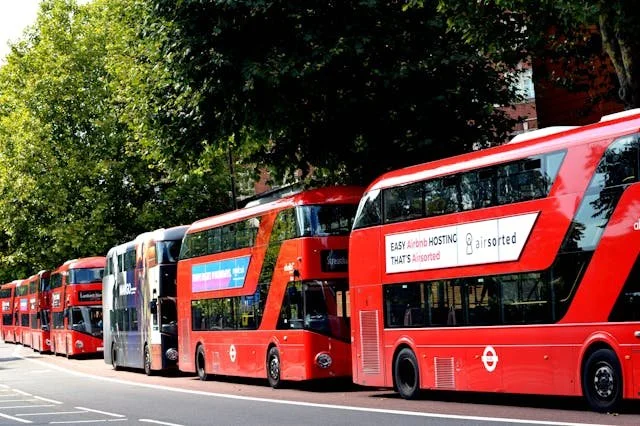
Bus Advertising for Retail and FMCG Brands
For fast-moving consumer goods and retail brands, bus advertising remains a powerhouse. Its large-scale visibility across urban and suburban routes keeps messages in constant view during key shopping windows. When Tesco launched its “Every Little Helps” refresh across UK cities, buses became mobile billboards that travelled through communities, creating high-frequency visibility near high streets and supermarkets.
Bus advertising in Dubai performs a similar role for lifestyle and retail sectors. Large-format wraps and rear panels capture attention during long commuting routes and in areas with high car traffic such as Sheikh Zayed Road and Business Bay. For brands aiming to drive awareness and action such as supermarkets, coffee chains and fashion retailers, bus ads offer cost-effective reach with consistent visibility throughout the day.
Taxi Advertising for Finance, Tech and Luxury Brands
If your brand speaks to decision-makers, professionals or premium audiences, taxi advertising offers the perfect blend of mobility and prestige. In cities like London, branded black cabs have become a hallmark of credibility, a moving endorsement that reaches key business districts and hospitality zones.
When fintech brands such as Revolut and Monzo expanded their footprint in major cities, taxi advertising played a central role in positioning them as trustworthy and relevant to urban professionals. The confined space of a taxi ride also opens opportunities for deeper engagement, with branded receipts, digital screens and interior wraps reinforcing brand messages throughout the journey.
In Dubai, taxi advertising takes on an additional layer of visibility. With more than ten thousand taxis active daily, these moving canvases reach both residents and tourists, making them ideal for luxury, real estate and financial services brands seeking a premium audience across the city.
Metro Advertising for Entertainment, Tech and Travel Brands
The metro network is where attention thrives. Commuters spend several minutes in stations and carriages, providing valuable dwell time that digital and static metro advertising can fully utilise. Entertainment brands such as Netflix, Spotify and Disney+ have used metro platforms in cities such as London and Dubai to create immersive storytelling moments through full-station takeovers and synchronised digital escalator panels during new show launches.
Tech and travel brands also thrive in this space. Airlines and tourism boards often target metro audiences with large-scale visuals promoting new routes or destinations, reaching a diverse mix of working professionals and frequent flyers. The result is a campaign that feels relevant, aspirational and part of the commuter experience.
Airport Advertising for Global and Premium Brands
Airports are the natural habitat for brands targeting international, affluent or business travellers. From premium watchmakers to B2B tech firms, airport advertising provides exclusivity and credibility through digital screens, wall wraps and experiential installations.
In Dubai International Airport, where millions pass through every month, brands such as Emirates, Samsung and Cartier use this setting to strengthen global identity and showcase innovation. The extended dwell times in terminals make it ideal for storytelling, whether it is a luxury brand building desire or a tech company highlighting its latest product launch.
Transport Advertising and Industry Fit
Each transport format has its own rhythm, reach and relevance. Retail and FMCG brands thrive on high-frequency bus advertising. Finance and tech brands find credibility in taxis. Entertainment and travel brands create immersion through the metro, while global icons find prestige in airports.
The key lies in understanding audience behaviour across touchpoints, where they travel, how they move and what captures their attention in those environments. A campaign planned with these nuances in mind delivers not only reach but genuine resonance.
Moving Ahead with Transport Advertising
As transport networks become smarter and more connected, the future of transport advertising will blend digital innovation with real-world impact. Data-led planning, dynamic displays and contextual targeting will enable brands to tailor campaigns in real time, reaching audiences with greater precision across every stage of their daily commute.
For marketers, the question is not simply about format but about fit. The right transport medium becomes more than an advertising surface. It becomes a shared moment in the movement of a city, connecting brands and audiences where their journeys naturally intersect.