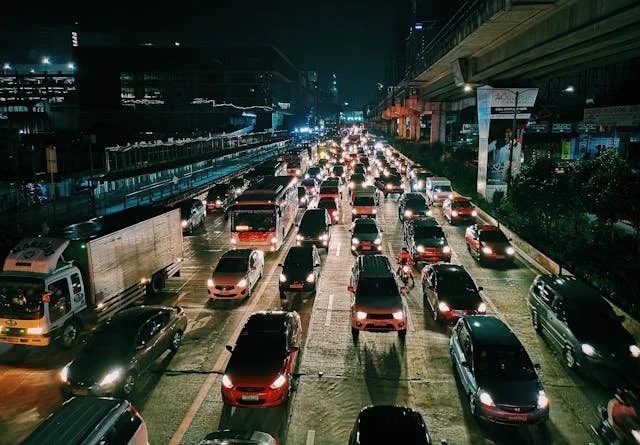
The Traffic Advantage for Advertisers
How Traffic Creates Advertising Opportunity
Every day, millions of people spend time in traffic, on the road, in transit, or waiting at stops and stations. For advertisers, these moments are far from wasted. They represent concentrated, recurring opportunities to capture audience attention. Out of home formats such as roadside billboards, bus rears, taxi wraps, and metro panels turn high-traffic zones into prime media spaces, transforming static moments into lasting brand impressions.
Urban congestion, longer commutes, and the growth of ride-hailing services have changed how advertisers think about mobility. Campaign planners now use detailed movement data to identify patterns and place messaging precisely where people spend time in transit. From London’s arterial roads to Dubai’s Sheikh Zayed Road and New York’s Midtown avenues, traffic density provides the foundation for impactful, repeated exposure.
What the Traffic Advantage Looks Like
The traffic advantage comes from scale, repetition, and dwell time. When vehicles queue at intersections or slow during rush hour, large-format billboards and digital screens become visual anchors. Advertisers benefit from longer viewing durations and frequent repeat impressions.
Transport media plays a key role in extending that reach. Bus advertising travels across routes with consistent exposure to drivers, passengers, and pedestrians. Taxi advertising delivers mobility and repetition, connecting brand messages to audiences throughout the day and into the night. Metro and rail advertising adds another layer, targeting passengers with longer dwell times in enclosed environments.
Programmatic digital out of home (PrDOOH) enhances this even further. By using live data, from traffic flow to weather and time of day, brands can adapt creative in real time. For instance, a car insurance company might activate its message during peak traffic hours, while a coffee brand can promote an evening pick-me-up as commuters head home.
Why Advertisers Value High-Traffic Environments
High-traffic environments offer a measurable return on attention. Unlike fleeting online impressions, out of home formats thrive in real-world conditions where audiences are receptive and alert. The predictability of traffic patterns allows advertisers to plan campaigns with confidence, knowing their messages will reach consistent audiences at specific times of day.
In the UK, motorways and city centre roads are key assets for OOH planners. The M25 and major urban routes in Manchester, Birmingham, and Glasgow see constant movement, making roadside billboards and digital screens valuable for both local and national campaigns. Globally, cities like Dubai, Singapore, and Los Angeles use traffic analytics to power programmatic activations that match live congestion levels, ensuring messaging remains relevant and visible.
Where the Traffic Advantage Works Best
The strength of traffic-based advertising lies in placement and format. Billboards positioned on approach roads to city centres capture long viewing times. Bus and taxi fleets create dynamic, moving media networks across high-frequency routes. Metro and train systems deliver captive audiences, particularly during morning and evening peaks.
In Dubai, digital billboards along Sheikh Zayed Road are programmed to adjust brightness and creative based on time of day and traffic flow. In London, TfL’s digital screens in stations like Oxford Circus and King’s Cross target commuters during rush hour with brand messages tailored for transit dwell time. These precise placements turn routine travel into meaningful engagement opportunities.
How Brands Use Data to Amplify Impact
Data-driven planning has made the traffic advantage more sophisticated than ever. Using GPS data, traffic flow analytics, and behavioural insights, advertisers can determine not only where to appear but when. Programmatic tools like PrDOOH give brands the power to schedule, switch, and personalise messaging instantly, matching context to audience mood.
For example, an automotive brand can trigger dynamic creative based on congestion levels, while a food delivery service might display offers as evening traffic builds. By aligning campaigns with real-world rhythms, advertisers turn an everyday inconvenience into a moment of brand connection.
Turning Gridlock into Brand Gold
Traffic is often seen as a frustration, but for advertisers it’s one of the most reliable opportunities for audience engagement. Every delay, red light, and rush-hour crawl represents another chance to be seen, remembered, and acted upon. Out of home and PrDOOH formats transform that visibility into measurable impact, giving brands the ability to reach audiences when attention is at its peak.