
The Importance of Frequency in Transport Advertising
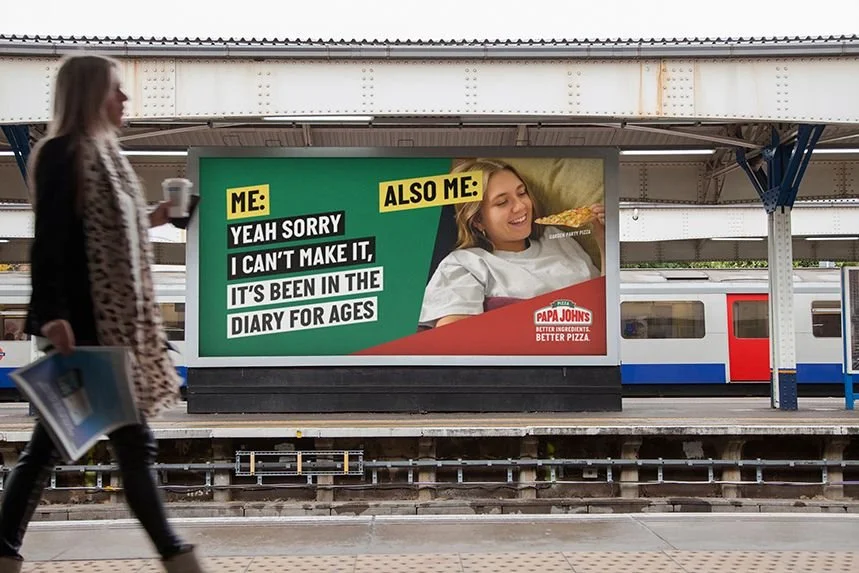
Frequency shapes memory. It helps people recognise a brand quickly and recall it at the right moment. Transport advertising delivers this effect naturally because people travel along predictable routes, pick familiar platforms and repeat the same journeys every week. When your advert appears in these environments, it becomes part of their routine.
Brands that rely on repeated exposure build familiarity fast. This leads to higher recall, stronger trust and better response rates. In busy cities where people take multiple transport journeys each week, frequency becomes one of the most valuable tools you can use.
Why Repeated Exposure Matters
People remember what they see often. Marketing research shows that audiences need several encounters with a message before it sticks. Many studies suggest an average range of 7 to 13 exposures before someone feels ready to act. This concept has existed for decades and remains accurate across modern media habits.
In transport environments, this principle works especially well because:
Passengers are in a captive state with limited distractions
Journey times provide sufficient dwell time for message absorption
Regular commuters follow predictable patterns
The environment naturally creates routine exposure
Studies reveal that 82% of regular bus passengers notice advertising on their route. More significantly, 67% of these individuals can recall specific brand messages weeks after first seeing them. These figures demonstrate the tangible impact of frequency in action.
The Science Behind Message Retention
Memory builds through repetition. Each time someone sees your advertisement, their brain reinforces neural pathways associated with your brand. This process, called the spacing effect, shows that information repeated over time creates stronger, longer-lasting memories than single intensive exposures.
Transport ads naturally facilitate this spacing. A commuter might see your bus adverts 10 times per week over a month-long campaign. That's 40 exposures, each reinforcing the last. The brain doesn't just remember your brand name; it builds associations with your messaging, values and visual identity.
Research has shown that repeated exposure to the same advertisement in consistent locations increased brand recall by 47% compared to varied placements with the same total number of impressions. Consistency of environment matters as much as frequency itself.
Captive Audiences Create Stronger Impact
Transport passengers represent a unique advertising audience. They're stationary or moving slowly, typically without competing demands for their attention. Unlike scrolling past digital ads or flipping magazine pages, they genuinely see what's in front of them.
The average London Underground journey lasts 34 minutes. During this time, passengers on the Tube look at ads an average of 8.2 times. Similar patterns appear across rail and bus networks, with 6.4 average views per journey on routes lasting 20 minutes or more. This helps your message gain a firmer hold.
How Repetition Builds Brand Familiarity
Familiarity breeds preference. When viewers recognise a brand from repeated exposures, they perceive it as more trustworthy and established. This psychological principle, known as the mere exposure effect, means that frequent visibility alone increases positive brand sentiment.
For mid-level brands, this effect proves particularly valuable. Your advertisements on buses, taxis, rail and tram networks put you alongside major advertisers, lending credibility through association. Repeated presence in these premium environments signals stability and success.
First exposure creates awareness
Subsequent exposures build recognition
Continued frequency develops preference
Long-term presence establishes trust.
Frequency Across Key Transport Formats
Each transport medium offers distinct frequency advantages. Understanding these differences helps you select formats that match your campaign goals.
Bus Advertising
Buses follow fixed routes at regular intervals. Passengers waiting at stops see your ads multiple times daily. Those on board experience extended exposure during their journey. Route consistency means the same commuters encounter your brand repeatedly over campaign periods.
Taxi Advertising
Taxis provide high visibility in urban centres where footfall is at its peak. A single taxi might pass the same audience multiple times per week, creating repeated brand impressions across different touchpoints. Whether you choose supersides, mega sides, full wraps or branded liveries, taxi ads offer continuous presence throughout the day.
Rail and Tram Advertising
Rail and tram advertising captures passengers during waiting periods, often multiple times daily for regular commuters. On-vehicle advertising travels with passengers, creating sustained exposure throughout their journey. The combination of static station formats and mobile tram and train advertising compounds frequency effects.
Airport Advertising
Airport environments offer concentrated exposure during longer dwell times. Business travellers passing through the same airport weekly or monthly see your campaigns repeatedly, making airport advertising especially effective for reinforcing brand recall among high-value audiences. The high-attention environment means each exposure carries a significant impact.
London Underground Advertising
Tube advertising delivers exceptional frequency for London commuters. The average regular Underground user makes 10 journeys per week. Strategic placement at key stations or on popular lines guarantees your target audience sees your message dozens of times across a campaign period.
Frequency Requirements for Different Campaign Goals
Different campaign objectives require different frequency levels. Brand awareness campaigns need fewer exposures than direct response campaigns, driving specific actions.
Launch campaigns for new products typically require a higher initial frequency to overcome the challenge of introducing unknown brands. Maintenance campaigns for established brands can succeed with lower frequency, relying on existing recognition.
Industry benchmarks suggest:
Brand awareness: 8-10 exposures over four weeks
Purchase consideration: 12-15 exposures over four weeks
Direct response: 15-20 exposures over four weeks
Brand repositioning: 18-25 exposures over six weeks
Transport advertising excels at delivering these frequencies naturally through routine passenger journeys without requiring massive campaign spending.
Measuring Frequency Effectiveness
Understanding whether your frequency strategy works requires tracking specific metrics. Transport advertising campaigns can measure effectiveness through passenger surveys, brand lift studies and direct response data.
Useful performance indicators include:
Spontaneous brand awareness among regular passengers
Prompted brand recall with campaign visual prompts
Message comprehension and retention
Purchase intent shifts
Actual sales or enquiry volume changes
Digital elements integrated with transport campaigns provide additional measurement opportunities. QR codes, unique URLs or campaign-specific offer codes help attribute responses directly to transport advertising exposure.
Optimising Your Frequency Strategy
Achieving effective frequency requires strategic planning. Focus on routes, stations and formats that align with your target audience. Match commuter flow with your message. Keep your creative consistent so each impression reinforces the last.
Strategic placements often outperform broad coverage. Concentrated presence in key zones helps viewers encounter your brand repeatedly throughout their week. This balance supports cost efficiency and increases campaign strength.
Getting Started With Frequency-Based Campaigns
If you want your brand to stand out and stay memorable, frequency is your strongest tool. At Transport Media, we plan campaigns that give your message repeated visibility across buses, taxis, rail, trams, airports and the London Underground. Our team understands how different transport formats deliver frequency advantages and can design campaigns that maximise repeated exposure to your target audience.
To create a high-impact campaign with strong repeated exposure, speak to us today. We help brands grow recognition, build trust and turn repeated views into real results.
FAQs
How many times does someone need to see an advert for strong recall?
People need between 7 and 13 exposures to a brand message before it creates lasting recall. Transport advertising excels at delivering this frequency naturally through regular commuter journeys.
Why do transport environments improve frequency?
Transport environments create captive audiences with limited distractions during predictable journey patterns. Regular commuters follow the same routes multiple times weekly, guaranteeing repeated exposure to the same adverts.
How does frequency support mid level brands?
Frequency builds familiarity fast, which helps brands stay top of mind against larger competitors. Mid-level brands often lack the extensive budgets of household names, but transport ads deliver repeated exposure at cost-effective rates. This repeated presence levels the playing field, allowing you to compete directly with bigger players without requiring enterprise-level spending.
What frequency should brands aim for in transport advertising campaigns?
Frequency requirements vary by campaign objective. Brand awareness campaigns typically need 8-10 exposures over four weeks, whilst direct response campaigns benefit from 15-20 exposures during the same period. Transport adverts naturally deliver these frequencies through regular passenger journeys without requiring excessive campaign spending compared to other advertising channels.
