
Building Brand Proximity Through Local Humour
Brands are increasingly turning to local humour and cultural context to make their messages resonate with audiences in specific places. In transport advertising, from buses and taxis to trains and the London Underground, this approach allows them to speak directly to people’s daily lives. By referencing familiar experiences like Manchester’s drizzle or the unpredictability of London’s Tube delays, brands transform everyday commutes into moments of recognition and connection.
This strategy, known as proximity marketing, relies on relevance and cultural fluency. It is not only about where an ad appears but how it speaks using tone, humour and reference points that make commuters feel seen and understood. When done well, it builds an emotional bridge between brand and audience, turning physical proximity into psychological closeness and brand affinity.
The Impact of Local Context
Localised advertising resonates because it mirrors real life. It reflects what people see, hear and experience in their daily routines. A cheeky nod to Birmingham’s traffic or a witty line about Edinburgh’s unpredictable weather does more than entertain; it signals that the brand gets it. This sense of shared experience fosters trust and authenticity, two vital elements in driving brand engagement.
Transport environments amplify this effect. A single Tube journey might include thousands of passengers united by geography but diverse in lifestyle and outlook. By weaving in regional tone, humour or visual cues, advertisers can craft messages that feel tailored rather than templated, relevant to the setting and true to the local audience.
Key reasons why it’s powerful:
Relatability: Local slang, accents and references make audiences feel seen.
Attention-grabbing: Familiar jokes or references interrupt commuter monotony.
Authenticity: Messages that sound “of the area” feel more trustworthy and grounded.
Emotional connection: Shared context sparks warmth, nostalgia and stronger recall.
Transport Advertising as a Local Touchpoint
No other medium brings brands as close to people’s daily routines as transport advertising. Commuters see these messages repeatedly and that consistent exposure builds recall.
Perfect Platforms for Local Messages
Bus Advertising: Ideal for neighbourhood-specific humour or nods to local icons, seen daily in community settings.
Taxi Advertising: Moves dynamically through nightlife and cultural hotspots, engaging urban audiences in motion.
Rail Advertising: Captures attention during travel pauses, suited to conversational or reflective humour.
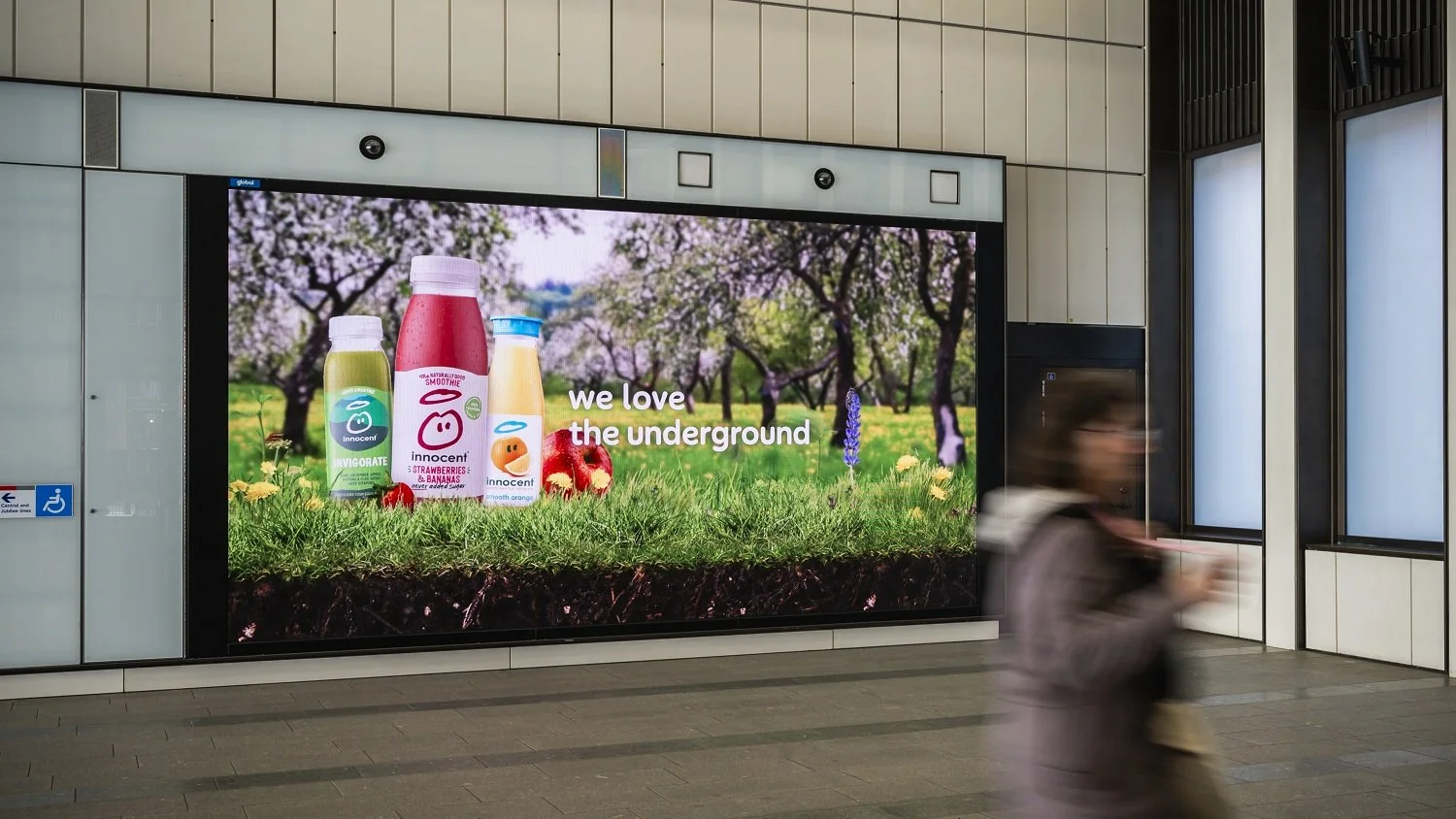
London Underground Advertising: A dense, diverse space where commuters appreciate smart, witty copy and quick visual impact.
Crafting the Local Tone
Local humour is a fine art. It needs to feel natural, not forced. Brands that successfully execute location-specific humour take the time to understand regional quirks and speech patterns. They avoid stereotypes and instead tap into authentic, shared experiences.
The tone should reflect the area’s energy. A London campaign might be quick-witted and urbane, while one in Yorkshire could lean on warmth and community spirit. It’s about empathy and timing, recognising when humour enhances a message rather than distracts from it.
How Brands Benefit from Local Resonance
When proximity marketing is executed with insight, the results can be significant. Research from the Institute of Practitioners in Advertising (IPA, 2022) found that localised campaigns achieved up to 40% higher engagement rates and nearly double the brand affinity compared to generic national messaging
This success stems from:
Repetition: Commuters encounter the same ad multiple times.
Recognition: Local cues trigger familiarity and trust.
Relevance: The humour or reference is embedded in their real environment.
Transport advertising therefore, becomes not just a visibility channel but a relationship-building platform.
Getting Started with Localised Campaigns
If you’re planning your next transport advertising campaign, think beyond visibility. Think proximity. Here are a few practical tips:
Research the audience: Understand the community your ad will appear in.
Use local tone thoughtfully: Avoid clichés and instead reflect genuine experiences.
Match medium to message: A witty one-liner might work perfectly on a taxi, while a longer story could shine on the Tube.
Measure success: Track engagement, recall, and emotional sentiment regionally.
Bringing It All Together
The power of proximity lies in more than location; it’s about empathy, understanding and cultural alignment. Brands that use local humour and context in transport advertising create a sense of belonging and recognition among audiences who see these messages every day.
By transforming buses, trains and Underground platforms into spaces of shared laughter and identity, advertisers turn fleeting glances into meaningful connections. When brands truly understand the tone of a place and speak it fluently they occupy emotional space in the minds of the people who live there.
Ready to Make Your Brand the Talk of the Town
At Transport Media, we help brands craft transport advertising that resonates locally and performs nationally. From strategy to campaign delivery, our team ensures your message travels, literally and emotionally.
Speak to us today to plan your next campaign across bus, taxi, rail or the London Underground.
FAQs
Why does local humour work in advertising?
Local humour works because it builds familiarity and trust. It shows audiences that a brand understands their daily life and community.
Which transport medium is best for localised campaigns?
Buses and taxis are particularly effective for hyper-local advertising, while rail and Tube ads can reach broader regional audiences with tailored messaging.
How can I ensure my message feels authentic?
Use real local insights, avoid stereotypes and consider working with local creatives who understand regional tone and culture.
Can proximity-based advertising be measured?
Yes. Brands can track performance through route analytics, engagement rate and brand recall surveys specific to local audiences.
