
Remedy Puts UK Kombucha In Front of Millions with its Biggest Ad Campaign
Breaking into the mainstream drinks market takes more than a good product. It demands visibility, trust and repeated exposure in the right environments. Remedy understood this and made a bold move that shifted the Kombucha category into the public eye.
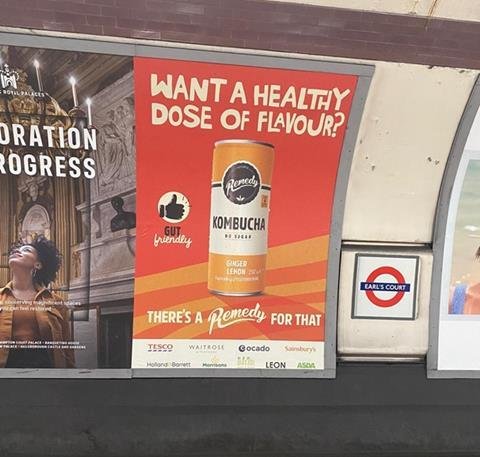
The brand launched the UK’s biggest Kombucha advertising campaign to date, placing transport media at the centre of its strategy. It rolled out across 2,600 sites in seven major cities, using high-frequency bus and rail placements to stay front of mind with commuters. Large-format digital screens and tailored build-outs added extra impact, while a major London Underground presence and a Canary Wharf takeover delivered bold, hard-to-miss visibility. Alongside this, the brand distributed 70,000 cans across five major UK cities, turning awareness into real product trial.
The campaign also carried a clear message. Built around the brand platform There’s A Remedy for That, it focused on flavour and a no sugar proposition that sets Remedy apart. The timing supported the message too, landing when many people are more open to positive change and more willing to try something new in their daily routine.
For mid-level brands exploring transport advertising, this campaign is a clear example of how scale and relevance can work together.
Building momentum through everyday travel
Remedy’s campaign worked because it met people where routines already existed. Transport environments are part of daily life. Commuters see the same routes, platforms and stations again and again, which makes them ideal for building familiarity.
Rather than relying on a single format, Remedy spread its presence across multiple transport touchpoints. This created consistent exposure throughout the day and across different moments of travel.
Transport formats used to drive reach
Rail advertising in busy stations and concourse areas
Bus advertising along high footfall urban routes
London Underground placements targeting peak commuter traffic
Canary Wharf takeover putting Remedy in front of weekday professionals
Each format played a specific role. The Underground delivered frequency. Buses brought the brand into neighbourhoods. Rail environments captured longer dwell times. Together, they created a joined-up presence that felt both visible and credible.
Why transport advertising suited the Kombucha category
For emerging food and drink brands, perception matters. Transport ads carry an inherent sense of scale and confidence. Seeing a brand across public transport networks signals momentum and seriousness.
Remedy used this to strengthen its position as a category leader.
Key advantages of transport media for growing brands
High frequency exposure to working-age adults
Strong coverage in city centres and commuter zones
Trusted and brand-safe public environments
Repeated visibility across high-traffic areas
Transport environments also allow for simple brand education. Kombucha is still unfamiliar to some consumers. Clear messaging seen regularly during commutes helps normalise the category and build understanding over time.
Turning awareness into trial with large-scale sampling
One of the most effective elements of the campaign was how advertising and activation worked together. Remedy supported its transport presence by distributing 70,000 cans across five UK cities.
This approach removed friction. Consumers had already seen the brand on buses, stations and Underground platforms. When offered a sample, recognition was immediate.
Sampling in and around transport hubs is particularly effective because:
Footfall is consistent and predictable
Audiences are already mobile and open to discovery
Advertising nearby reinforces recall at the point of trial
This combination helped Remedy convert awareness into real engagement.
Reaching urban health-focused audiences at scale
Transport adverts naturally reach the people most likely to buy Kombucha. Rail and Underground environments put Remedy in front of professionals, students and city residents who are engaged with health and lifestyle trends. These audiences move through the same stations and platforms each day, so the message lands repeatedly and starts to stick.
Bus advertising extends that reach into local areas, high streets and residential zones. It keeps the brand visible beyond city centres and supports those everyday moments when people decide what to pick up on the way home.
Remedy’s product story also fits this mindset. Brewed with live cultures and real ingredients, each can is positioned to support gut health and help bring the body into better balance. A broad flavour range keeps the offer accessible, including Raspberry Lemonade, Mango Passion, Wild Berry, Ginger Lemon, Peach and Cherry Plum. It keeps choice simple while reinforcing the no sugar proposition.
Audience strengths of transport environments
Daily exposure to urban and commuter audiences
Balanced reach across age and gender groups
Strong presence among health-aware consumers
High repetition across short timeframes
This made transport media an efficient way for Remedy to grow its share of mind quickly.
Creative built for movement and attention
Transport environments are busy. Ads need to work at speed and from a distance. Remedy’s creative focused on bold colour, short messaging and strong branding.
Consistency across formats ensured that whether the ad appeared on a bus side or an Underground panel, it was instantly recognisable. This helped reinforce recall and supported the wider sampling activity.
For brands planning transport campaigns, this highlights the importance of designing specifically for moving audiences rather than repurposing other media.
What marketers can take from Remedy’s approach
This campaign stands out because transport media was treated as a strategic foundation rather than a supporting channel.
Key lessons include:
Use multiple transport formats to increase frequency
Align placements with daily travel habits
Support awareness with physical product experiences
Keep creative simple and built for fast recognition
For mid-level brands, this shows that transport advertising can deliver category leadership when planned with intent.
How transport advertising supports brand growth
From a commercial perspective, campaigns like this demonstrate the value of buses, rail and Tube advertising. These environments offer:
Measurable reach across defined locations
Strong associations with trusted public infrastructure
Opportunities for integrated campaigns, including sampling
Flexible formats that suit different budget levels
Transport advertising allows brands to scale visibility without losing relevance.
Bringing transport advertising campaigns together
At Transport Media, we help brands plan and deliver advertising across buses, rail, taxi and the London Underground. We work with growing brands to align formats, locations and messaging with clear commercial goals.
Remedy’s campaign shows what can be achieved when transport media is used strategically. If you are considering transport advertising to build awareness or drive trial, our team can help you plan with confidence.
Get in touch with us to see how we can support your next campaign.
Frequently Asked Questions
Why did Remedy choose transport advertising for its Kombucha campaign?
Transport media delivers daily reach, strong frequency and urban coverage, making it ideal for building awareness at scale.
Which transport formats were used in the campaign?
The campaign focused on rail advertising, bus advertising and London Underground placements.
How did sampling support the transport advertising?
Remedy distributed 70,000 cans across five cities, using recognition from transport ads to drive trial.
Is transport advertising suitable for mid-level brands?
Yes. Transport formats are scalable, flexible and effective for brands seeking growth and credibility.
