
How Tourism-Driven Cities Can Benefit from Transport Adverts
Tourism-driven cities move fast. Visitors arrive with a plan, a budget and a shortlist of places to see. Transport advertising puts your brand right inside that journey. From the first airport transfer to the bus or taxi pulling up at the hotel, your message shows up when attention is focused and choices are being made.
For mid-level brands, this environment offers scale. Transport adverts work across formats and moments, building awareness fast and driving action in places where people are already on the move.
Why Tourism Cities Create Prime Conditions for Transport Media
Tourism hubs concentrate audiences in predictable flows. Airports feed into rail. Rail feeds into city centres. Buses and taxis complete the journey. This creates repeated exposure across a short visit, which lifts recall and brand confidence.
Key conditions that make tourism cities attractive include
High daily footfall from domestic and international visitors
Longer dwell times in stations, airports and on board vehicles
Strong links between transport routes and retail, leisure and attractions
Seasonal peaks that align with campaign windows
Unlike online media, these environments are shared and public. Ads are seen by groups travelling together, which boosts conversation and memory.
Reaching Visitors at Every Stage of the Trip
Tourism travel follows a clear rhythm. Transport advertising fits naturally into each phase.
Arrival moments that shape first impressions
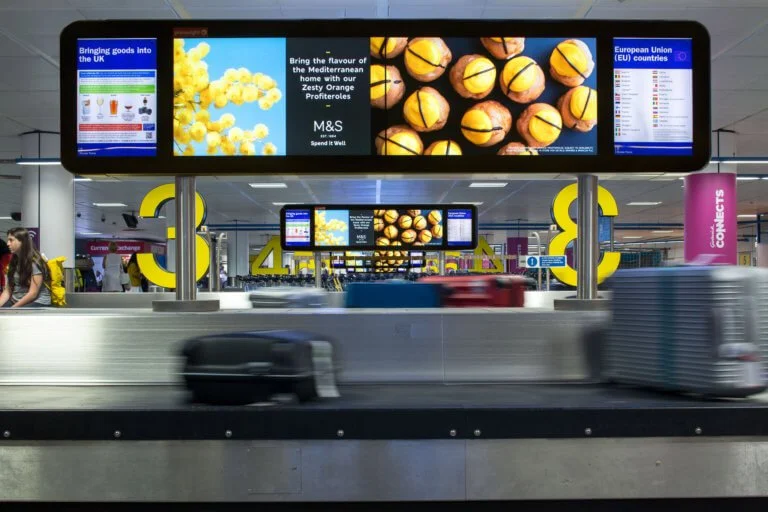
Airports and major rail termini are where visitors set expectations. Large format placements and digital screens create a sense of scale and credibility. Brands positioned here benefit from a premium halo effect.
Common goals at this stage include
Brand awareness among new audiences
Promoting experiences, attractions and services nearby
Signalling quality and trust to international visitors
City travel where repetition builds recall
Once inside the city, buses, trams and taxis take over. These formats deliver frequency. A visitor may see the same brand on a bus side, then again inside a taxi later that day.
This repetition works well for
Retail and hospitality brands
Events, exhibitions and shows
Food, drink and convenience offers
Bus and taxi adverts also blend into street scenes, making them feel part of the city rather than an interruption.
Return journeys that prompt action
As trips wind down, return travel creates a final opportunity. Ads seen on platforms or inside trains can prompt last-minute visits, downloads or bookings. QR codes and short URLs work well here, as travellers have time to act.
Transport Formats That Perform in Tourism Hubs
Each transport medium plays a different role. The strongest campaigns often combine several formats.
Bus advertising in visitor hotspots
Buses cover central districts and tourist routes. They pass landmarks and busy streets all day. This makes them ideal for broad reach.
Benefits of bus ads include
High visibility at street level
Strong coverage of shopping and cultural areas
Cost effective frequency over longer periods
Creative that reflect local character tend to perform well, especially during peak seasons.
Taxi ads for targeted urban reach
Taxis reach travellers with intent. Airport runs, hotel transfers and evening trips put passengers in a relaxed mindset. Interior formats offer dwell time, while exterior wraps act as moving billboards.
Taxi advertising suits
Premium and lifestyle brands
Dining entertainment and nightlife
App based services and experiences
Rail and tram advertising for commuter tourist overlap
Rail stations and trams serve both visitors and locals. This mix helps brands reach tourists while reinforcing messages with residents.
Rail environments offer
Long dwell times on platforms
High impact digital screens
Clear zoning by location and route
In cities with extensive tram networks, consistent coverage across lines helps brands dominate key corridors.
Airport and Tube environments for scale and status
Major airports and the London Underground deliver some of the highest footfall in the country. These environments combine scale with trust.
Using London Underground ads and airport advertising allows brands to reach millions of visitors in a short time.
Making Creative Work Harder in Tourism Settings
Creative needs to be clear, bold and relevant. Visitors often have limited local knowledge, so messages should be simple and actionable.
Strong transport creative in tourism cities often includes
Clear brand and offer within three seconds
Location cues such as nearby areas or landmarks
Seasonal or event led messaging
Simple calls to action
Avoid clutter. One message delivered repeatedly beats multiple ideas seen once.
Measuring Impact Beyond Impressions
Tourism focused transport campaigns support several measurable outcomes.
Brands commonly track
Increases in branded search during campaign periods
Footfall uplift near advertised routes or zones
Promo code or QR engagement by location
Social mentions and user generated content
When transport ads are planned alongside digital and out of home, attribution becomes clearer and results are easier to scale.
Planning Campaigns Around Tourism Peaks
Timing matters. Tourism cities have clear high seasons linked to holiday events and weather. Transport advertising allows brands to plan ahead and secure premium locations before demand rises.
Typical peak periods include
Spring and summer travel seasons
Major sporting and cultural events
School holidays and long weekends
Early planning also helps manage budgets and ensures consistent coverage across formats.
Turning City Movement into Brand Momentum
Tourism driven cities thrive on movement. Transport ads capture that movement and turn it into momentum for brands. By appearing at the right moments and in the right places, campaigns feel useful rather than intrusive.
At Transport Media, we help brands plan and buy transport media across buses, taxis, rail, airports and the Tube. Our team builds campaigns that match tourism flows, budget goals and growth plans. If you want to reach visitors where journeys happen, speak to us and let’s shape a campaign that works harder for your brand.
Frequently Asked Questions
How does transport advertising reach tourists effectively?
It places brands directly within travel journeys across airports, rail, buses, taxis and the Underground where visitors spend time and attention is high.
Which transport formats work best in tourism cities?
Airports and rail deliver scale and strong first impressions at key arrival points. The London Underground adds depth and consistency, reaching visitors as they move between attractions. Buses and taxis provide frequency and local relevance across city centres and tourist districts.
Is transport advertising suitable for mid level brands?
Yes. It offers flexible budgets, geographic targeting and strong visibility without the cost of national broadcast media.
How can results from tourism focused campaigns be measured?
Brands track search uplift, footfall engagement via QR codes and performance by location during campaign periods.
