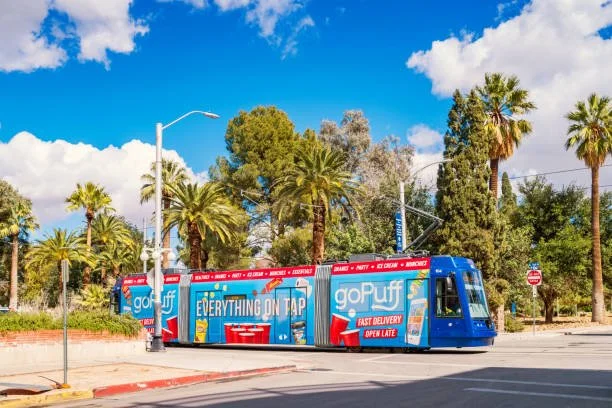
Tram Advertising in Global Cities
The Rise of Tram Advertising in Global Cities
Tram advertising has carved out a unique place within out of home advertising, especially in cities where trams are part of daily life and cultural identity. Unlike other transport ads, tram formats offer a moving billboard that glides through high-density urban areas, lingering at junctions and stations long enough for messaging to really land. In places like Vienna, Melbourne and Amsterdam, tram advertising has become almost inseparable from the cityscape itself, giving brands a distinctive canvas that feels both local and visible to mass audiences.
Where Tram Ads Work Best
The effectiveness of tram advertising is closely tied to the strength and visibility of the network. In Melbourne, the world’s largest tram system, wrapped trams carrying bold brand messages dominate routes that cross the central business district, ensuring commuters and tourists alike engage with the creative. Vienna has embraced tram formats for luxury retail campaigns, banking on the city’s historic network that still serves as a vital link across neighbourhoods. Amsterdam offers a similar story, where trams cover key tourist-heavy corridors and city centre routes, making them highly effective for consumer-facing campaigns.
Tram advertising also resonates in cities like Zurich and Prague, where transport is embedded in daily life and dwell times at traffic lights or stops give the medium extra punch. These cities demonstrate that tram ads are not just a novelty but a reliable way for brands to maintain long-term visibility.
The UK Tram Story
Closer to home, tram advertising in the UK has shown itself to be a powerful format in cities with strong commuter and tourism flows. Manchester’s Metrolink is the largest tram system in the country, stretching across Greater Manchester with lines that connect the airport, stadiums, universities and business districts. Full tram wraps and panel placements here reach a highly mixed audience, from football fans heading to Old Trafford or the Etihad to professionals commuting into the city centre.
Edinburgh’s trams, though smaller in scale, punch above their weight in impact. Running along a central corridor that links the airport to the heart of the city, they catch the eye of international visitors arriving for major cultural events such as the Edinburgh Festival Fringe and Hogmanay. For brands, this offers the chance to align campaigns with some of the UK’s busiest and most culturally charged moments. In both cities, tram advertising has become an integral layer of the transport media mix, complementing buses, taxis and billboards.
Dubai’s Modern Take on Tram Advertising
Dubai has brought tram advertising into a new era with its sleek, modern network that runs through Dubai Marina and Al Sufouh. Positioned in one of the city’s most vibrant districts, trams glide past high-rise apartments, luxury hotels and retail hubs. For advertisers, this means access to both affluent residents and the steady flow of tourists exploring the Marina Walk and Jumeirah Beach areas. Unlike bus advertising in Dubai, which covers the broader city, or Dubai metro advertising, which dominates underground and elevated corridors, tram advertising offers an open-air, street-level presence that places brand messaging in the heart of premium lifestyle zones. This makes tram ads particularly appealing to luxury, leisure and tech brands wanting to anchor themselves in Dubai’s aspirational image.
Comparing Tram Advertising with Other Transport Media
Compared to bus advertising, tram campaigns often feel more permanent and prestigious. While buses cover more flexible routes and reach suburbs or fringe areas, trams tend to circulate through denser city centres, locking in exposure where footfall and traffic are highest. Taxi advertising offers nimbleness and hyperlocal reach, but taxis lack the visual impact of a full tram wrap that can stretch across multiple carriages. Metro advertising, particularly in underground stations, competes with trams by offering immersive dwell-time environments. Yet trams win when it comes to visibility in open-air urban life, becoming part of the streetscape in a way metro ads never can.
The comparison highlights that tram advertising is not about short bursts of attention, but about repeated and sustained contact with an audience over weeks or months. Brands that choose trams often lean into this longevity, treating the format as a constant moving landmark in the city.
Why It Matters for Brands and Agencies
For advertisers, tram campaigns provide the opportunity to tie brand messaging to the rhythm of city life. In Melbourne, for instance, tech companies have used tram wraps to coincide with product launches, ensuring visibility during rush hours when trams crawl through gridlocked intersections. In Vienna, luxury goods and cultural events use tram formats to associate themselves with heritage and sophistication. Compared with bus advertising cost structures, trams can command higher rates, but their prestige and consistency often justify the spend.
In the UK, the Metrolink’s network-wide presence and Edinburgh’s seasonal international draw both showcase how tram advertising can be hyper-relevant to place and time. In Dubai, the sleek modern network has already attracted campaigns from fashion and hospitality brands aiming to reach audiences in a premium lifestyle setting. Agencies working across transport media advertising know that layering trams into wider campaigns can create a striking balance. Buses and taxis bring flexibility and reach, metro advertising ensures captive dwell time, and trams deliver scale and spectacle. Together, they form a network that follows consumers through every stage of their journey, both literally and figuratively.
Trams as Moving Landmarks for Brands
As cities continue to invest in sustainable mobility, trams are enjoying a revival. New networks in places like Dubai and Doha show that tram advertising is not confined to Europe’s old cities but is spreading into modern, future-focused environments. This opens up opportunities for advertisers to anchor their brands to green mobility and smart city living. Tram advertising is set to play an even larger role within transport advertising, offering brands a way to integrate storytelling directly into the flow of urban life.