The Updated HFSS Food and Drink Rules
Shifting Regulations and a Changing Landscape
The UK has been tightening its approach to high fat salt and sugar products, often known as HFSS. These rules are designed to reduce the promotion of less healthy food and drink, especially to children, and they have reshaped the way brands can advertise. At the heart of the policy is the idea of creating a healthier environment by limiting exposure to products that contribute to obesity and diet-related illnesses.
The most talked-about changes involve restrictions on where and when HFSS products can be advertised. Paid online adverts for these products are now off the table, alongside a ban on television and on-demand advertising before nine in the evening. These measures were due to come into force in 2025, but enforcement has been pushed back to January 2026, with advertisers encouraged to comply voluntarily from October 2025. This gives agencies a little more time to prepare, though the direction of travel is clear.
At the same time, some measures once proposed have been dropped. The ban on multibuy promotions such as buy one get one free deals has been repealed, with the government favouring a voluntary, industry-led approach instead. The overall framework is still in flux, with updates expected to the Nutrient Profiling Model, which defines what counts as an HFSS product. The emphasis now is on “smart regulation” that encourages reformulation, healthier product development and voluntary codes for advertising.
What This Means for Advertisers and Agencies
For agencies, these changes represent both challenge and opportunity. Campaigns built around HFSS products can no longer rely on paid social ads or high-profile television spots before the watershed. This is forcing a rethink in strategy, with a stronger focus on brand-only advertising that highlights identity and values rather than specific products. These types of campaigns are exempt from the restrictions, provided they do not feature identifiable HFSS items.
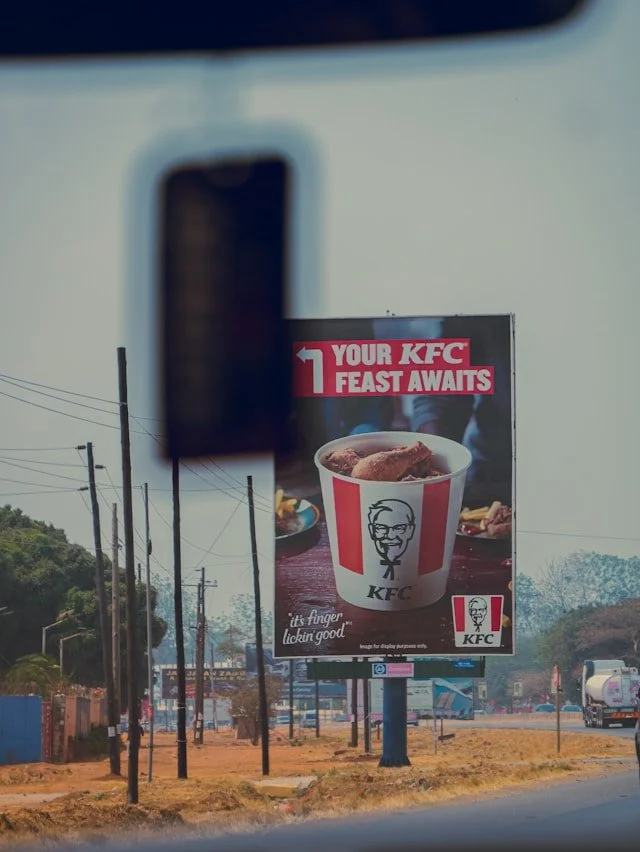
The rules are also encouraging a shift in media planning. Out of home advertising, print, audio and organic digital content have all become more attractive as channels that remain outside the restrictions. Agencies that specialise in outdoor formats such as billboards, transport media and digital screens are seeing new opportunities as brands look for compliant ways to stay visible.
There are also practical considerations. Media buying strategies must adapt to the new rules, with greater demand for post-watershed slots and a need to secure placements well in advance. At the same time, agencies must balance the letter of the law with public perception. In recent years, some brands dramatically increased their advertising spend in the run-up to restrictions, drawing criticism. Given this then, agencies will need to help clients navigate not only compliance but also reputation.
Time for a Rethink
The HFSS regulations mark a turning point in food and drink advertising in the UK. While the rules are evolving and some proposals have been rolled back, the overall message is clear. Brands need to rethink how they promote less healthy products, and agencies must find creative, compliant ways to keep their clients front of mind.
The future is likely to be shaped by more emphasis on brand strength, healthier reformulation and clever use of channels such as outdoor advertising, which is not affected by cookie restrictions or HFSS rules. Agencies that stay agile, anticipate regulatory shifts and focus on building meaningful connections will be best placed to succeed.