How Transport and Data Sources Make Advertising Precise
How Transport and Data Sources Make Advertising Precise
In modern advertising, precision is essential. Reaching the right audience at the right time can dramatically increase engagement and return on investment. Transport networks provide a wealth of information, and when combined with other data sources, advertisers can tailor campaigns with unmatched accuracy. Understanding how these datasets interact enables both digital and non-digital advertising to achieve measurable results.
Key Transport Data Sources
Transport data provides a clear picture of movement patterns, audience volumes and dwell times. Some key sources include:
Passenger Counts: Metro, bus, tram and taxi operators provide statistics on ridership at different times of day, week and season. This data allows advertisers to identify high-traffic routes for maximum visibility.
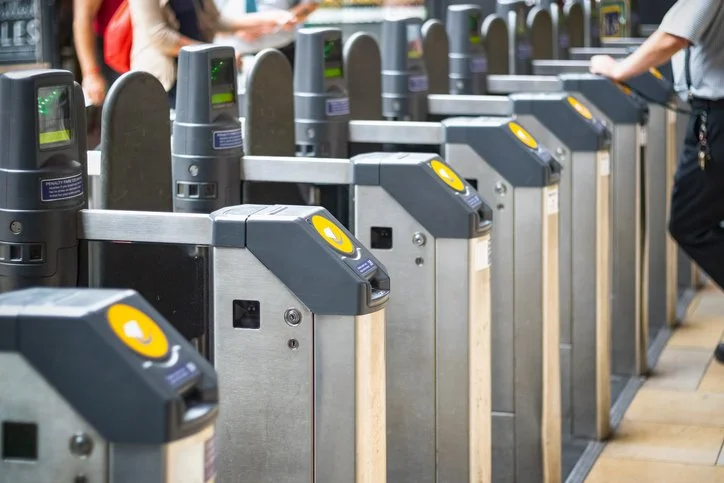
Ticketing and Smart Card Data: Information from Oyster cards, contactless payments and transit passes reveals commuter frequency, journey patterns and peak travel times.
GPS and Vehicle Telemetry: Buses, taxis and delivery vehicles transmit location and speed data, allowing advertisers to track exposure and optimise placements along busy corridors.
Station and Stop Sensors: Footfall sensors at metro stations, bus stops and transport hubs measure dwell time and audience density, giving insight into where static and digital panels will have the most impact.
By analysing this information, brands can plan bus advertising, metro campaigns and digital OOH campaigns that reach the right commuters at the right time.
Integrating Additional Data Sources
Transport data alone is powerful, but integrating it with other analytics sources takes precision further:
Mobile Location Data: GPS from smartphones and apps reveals travel patterns outside of public transport, indicating high-traffic areas for footfall-based campaigns.
Demographic Data: Age, gender, household income and lifestyle information from census data or third-party providers helps tailor messaging to the audience most likely to respond.
Behavioural Data: Online activity, app usage, purchase history and search trends inform audience interests and preferences, allowing digital ads to align with real-world behaviour.
Weather and Event Data: External factors like rain, heatwaves, sporting events, or concerts influence movement patterns and campaigns can adjust messaging and placements accordingly.
Retail and Loyalty Data: Shopping habits from loyalty programmes or app check-ins help advertisers match campaigns to audiences that are likely to engage with their product or service.
Combining these datasets enables digital OOH to dynamically adjust creative, targeting and timing, ensuring every impression reaches the most relevant audience.
Benefits for Non-Digital Campaigns
Even traditional advertising benefits from data integration. Static billboards, posters and transit media placements can be strategically chosen based on transport, footfall and demographic data. For example, a bus advertisement in a commuter-heavy area or near retail hubs can reach specific audiences multiple times per week, increasing recall and engagement.
Data-driven insight ensures that even non-digital campaigns achieve near-digital precision by combining location intelligence, frequency analysis and audience profiling.
Optimising Campaigns Through Data
Once campaigns are live, transport and integrated analytics continue to provide feedback. Digital campaigns adjust in real time based on audience presence, engagement and contextual factors. Non-digital campaigns benefit from post-campaign analysis, where footfall, journey patterns and behavioural insights inform future creative and placement decisions.
This iterative process ensures each campaign performs better than the last, using data from multiple sources to maximise return on investment.
The Future of Data-Driven Advertising
As technology evolves, advertisers will have access to even richer datasets, including AI-driven predictive models, connected device analytics and real-time mobility tracking. This will allow campaigns to anticipate audience movement, personalise creative and optimise placement with unprecedented accuracy.
By leveraging transport data alongside demographic, behavioural, mobile, retail and environmental insights, brands can create campaigns that are not only wide-reaching but also highly relevant. From metro advertising to dynamic digital OOH campaigns, data ensures every impression has purpose and impact.
Precision Advertising Through Integrated Insights
Transport and other analytics data have transformed how advertisers approach both digital and non-digital campaigns. By combining multiple sources of information, from passenger flows to behavioural and retail data, brands can reach the right audience, in the right place, at the right time.